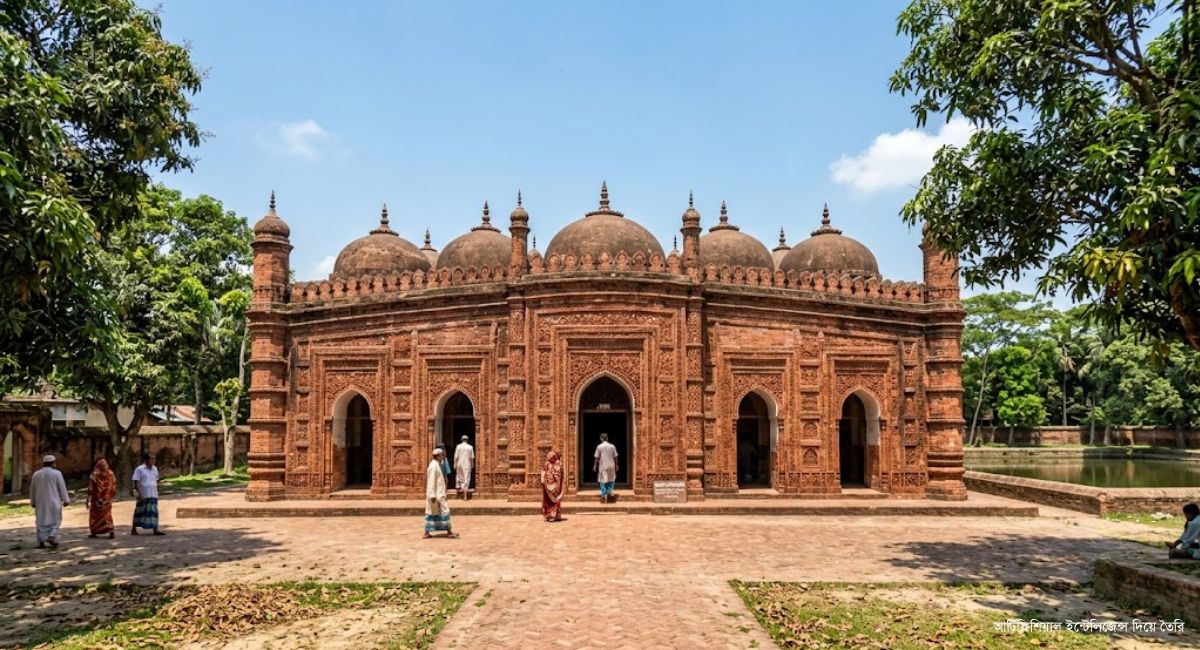

Rajshahi doesn't shout about its history the way some cities do. There's no ticket booth hustle, no crowd of tour buses. You'll often find yourself standing alone in front of a 500-year-old mosque or a terracotta temple, just you, a caretaker dozing in the shade, and centuries of brickwork. For history lovers, that quiet is exactly what makes Rajshahi worth the trip.
This northern city on the banks of the Padma River was once a major seat of Pala and Sena dynasty power, later a Sultanate-era religious center, and eventually a British colonial administrative hub. All three layers are still visible if you know where to look. Most travel guides mention two or three obvious spots and move on. This one goes further, into the temple town most tourists skip and the mosque nobody outside Bangladesh has heard of but should have.
Rajshahi sits about 256 km northwest of Dhaka. The train is genuinely the best option here — the Silk City Express and Padma Express both run daily and take roughly 6 hours, with comfortable AC options if you book early. Buses cover the same distance in 5 to 6 hours depending on traffic through Nabinagar.
There's also a small airport, Shah Mokhdum Airport, with limited domestic flights, though schedules change often enough that it's worth confirming a day or two before you travel rather than assuming a flight will be running.
Once you're in the city, rickshaws and CNG auto-rickshaws handle short distances easily. However, most of the real history — Puthia, Bagha, Choto Sona Mosque — sits well outside the city center, so you'll want to hire a car or CNG for a half or full day. Negotiate the fare before you get in, not after.
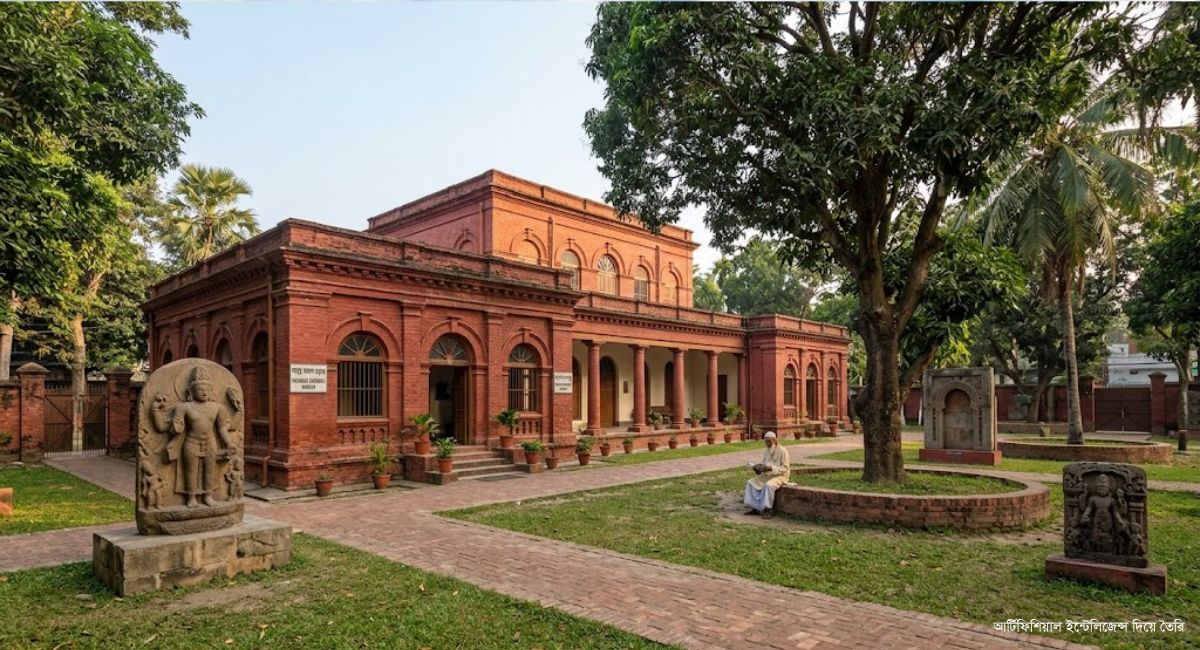
Start here before anywhere else. Varendra Research Museum, founded in 1910, is the oldest museum in Bangladesh, and its collection of Pala and Sena dynasty stone sculptures, terracotta plaques, and inscriptions is genuinely world-class. The building itself, a red-brick colonial structure on Bidan Sarani, has a slightly musty, old-library smell that somehow adds to the whole experience.
What most guides don't tell you: the museum's collection includes pieces looted from and later recovered around temples you'll visit later that same day, like Puthia. Seeing the carved deities here first gives real context to the empty niches you'll spot on the temple walls afterward. It's closed on Sundays and government holidays, so plan around that.
Roughly 23 km east of Rajshahi city, Puthia is where this trip gets genuinely special. This was once the seat of a wealthy zamindar family, and the result is a cluster of Hindu temples packed into a small area that feels almost absurdly dense with history for how few visitors actually make it here.
The must-sees in Puthia include:
Give yourself at least two to three hours here. The terracotta detail rewards slow looking, not a quick walk-by, and honestly, the light hits the brickwork best in the late afternoon rather than midday.
About 40 km south of Rajshahi city lies Bagha Mosque, built in 1523 during the Sultanate period. It's on UNESCO's tentative World Heritage list, and once you see the multi-domed terracotta exterior up close, you'll understand why. The mosque has ten domes and walls covered in floral and geometric terracotta ornamentation that's held up remarkably well for a 500-year-old structure.
Few foreign travelers make it out here, largely because it requires a dedicated trip rather than a quick stop. That's a shame, because architecturally it rivals better-known Sultanate mosques elsewhere in Bangladesh, minus the crowds. Bring a local guide if you can, since the caretaker on site often knows details about the mosque's construction and later restoration work that aren't written on any placard.
If you have an extra day, push on to Chapainawabganj district, about 80 km from Rajshahi, to see Choto Sona Mosque — the "Small Golden Mosque." Built in the late 15th or early 16th century, its name likely comes from the gold-gilded domes it once had, long since gone, though the stone and terracotta work remaining is still remarkable.
This one takes real commitment to reach, which is exactly why most visitors never bother. For serious history lovers though, it completes the picture of Sultanate-era religious architecture in the region far better than stopping at just one mosque.
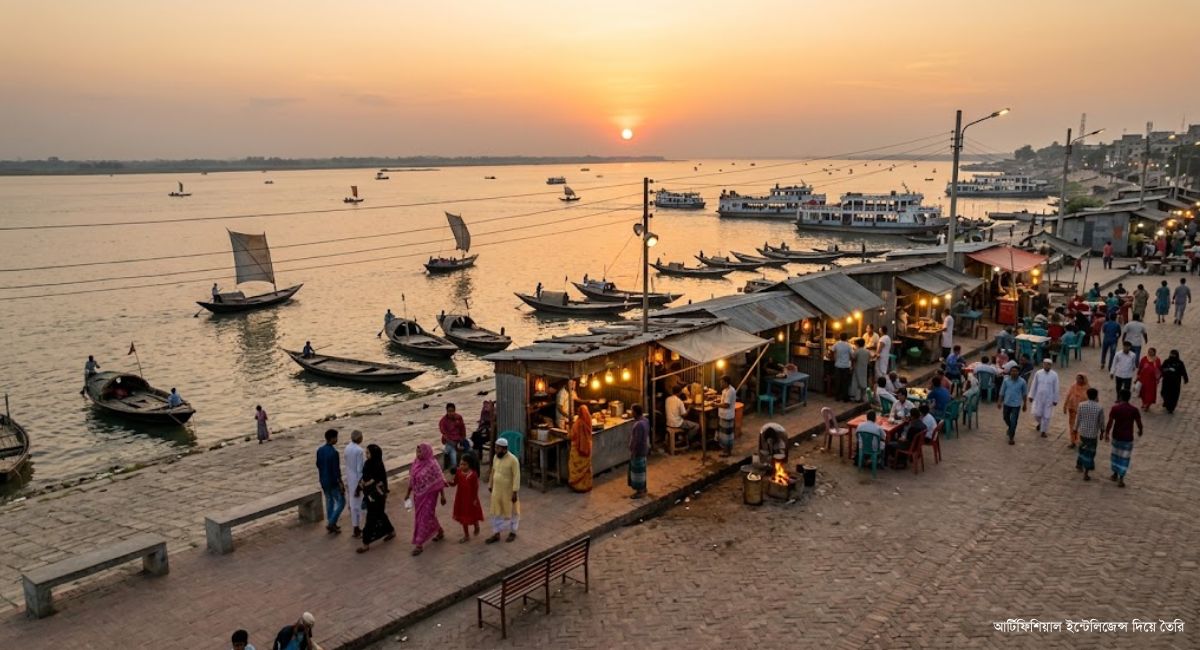
Back in the city itself, don't skip the Padma riverbank near Rajshahi's Zero Point and the T-Bandh area. It's not "historic" in the monument sense, but the old British-era buildings scattered through the city — including remnants around Rajshahi College, one of the oldest colleges in South Asia, founded in 1873 — round out the colonial-era layer of the city's story.
Late afternoon is the best time to walk the riverside. Locals gather, tea stalls open up, and you get a proper sense of how the city actually lives alongside its history rather than just preserving it behind glass.
| Site | Distance from Rajshahi City | Time Needed | Best Time to Visit |
|---|---|---|---|
| Varendra Research Museum | In city | 1.5–2 hours | Morning, avoid Sundays |
| Puthia Temple Complex | ~23 km | 2–3 hours | Late afternoon |
| Bagha Mosque | ~40 km | 1–1.5 hours | Morning or midday |
| Choto Sona Mosque | ~80 km (Chapainawabganj) | Half day (with travel) | Full day trip needed |
| Rajshahi College & riverside | In city | 1–2 hours | Late afternoon |
A realistic itinerary is two full days: one for the museum, Puthia, and the riverside, and a second dedicated entirely to Bagha and, if time allows, Choto Sona Mosque. Trying to cram all of it into one day means rushing past the exact details that make these places worth visiting.One more thing worth knowing — if you're visiting in June, Rajshahi is also mango season, and the region is famous for it. It has nothing to do with history, but you'd be missing out if you didn't try the local mangoes while you're there.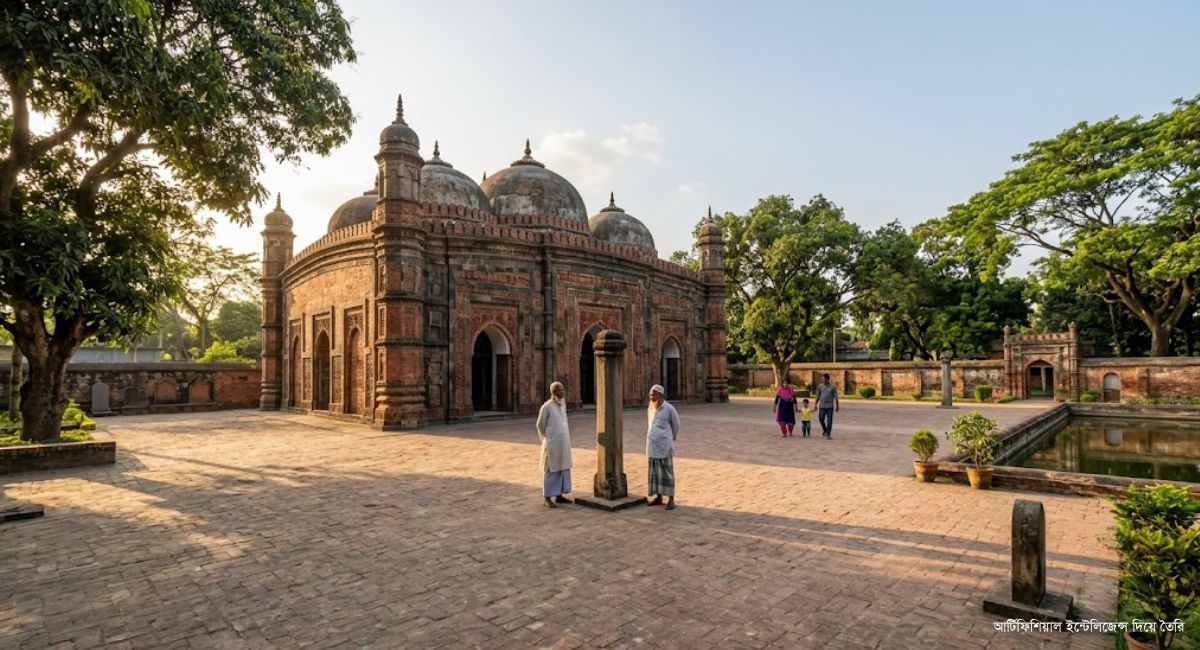
Why Rajshahi Deserves More Than a Day Trip
Most Bangladesh itineraries treat Rajshahi as an afterthought, or skip it entirely in favor of Sundarbans or Cox's Bazar. That's a missed opportunity if you actually care about history. Between the Pala-era artifacts, the Sultanate mosques, and the zamindar-era temples of Puthia, there's a genuine layered story here that takes real effort to see properly — and that effort is exactly why it stays uncrowded.
Frequently Asked Questions
The train is the most comfortable option — the Silk City Express and Padma Express take about 6 hours and run daily. Buses cover the same route in 5 to 6 hours, and there's also a small airport with limited domestic flights, though it's worth confirming the schedule before relying on it.
If you only have time for one, go to Puthia. The density of well-preserved terracotta temples in one small area is hard to match anywhere else in Bangladesh, and it gives you a proper sense of the region's zamindar-era history in just a couple of hours.
Before, if you can manage it. Seeing the recovered sculptures and terracotta pieces in the museum first gives real context to the empty niches and worn carvings you'll notice later at sites like Puthia.
Puthia is about 23 km east of Rajshahi city. A hired CNG or car takes roughly 40 minutes to an hour depending on road conditions, and it's easy to combine with a half-day trip from the city.
It's about 40 km south of the city, so it needs a dedicated half-day trip rather than a quick stop. The effort is worth it, though — the terracotta detailing on this 500-year-old mosque is some of the best-preserved Sultanate-era work in the country.
Only if history is your main focus and you're comfortable with a longer travel day, since it's about 80 km away in Chapainawabganj district. If your schedule is tight, prioritize Puthia and Bagha Mosque first.
Winter, from November through February, is most comfortable for walking around outdoor sites, with cooler, drier weather. If you visit in June, you'll also catch mango season, which the region is famous for, even though it has nothing to do with the history trail.
Not strictly, but a local guide, especially at Bagha Mosque and Puthia, often knows restoration details and local stories that aren't posted anywhere on site. Guides can usually be arranged through your hotel or a local tour operator in Rajshahi city.
Yes, Rajshahi is generally calm and safe, with far less tourist-targeted hassle than more heavily visited parts of Bangladesh. That said, negotiate CNG and car fares upfront, since prices for outside visitors can run higher than locals pay.
It's technically possible but not recommended. Cramming the museum, Puthia, and Bagha Mosque into one day means rushing past the detail that makes each site worthwhile — a two-day trip lets you actually take your time.